From Manufacturer to Customer Exploring the Best Welding Ovens
Understanding Welding Electrode Ovens and Their Importance
What is a Welding Electrode Oven?
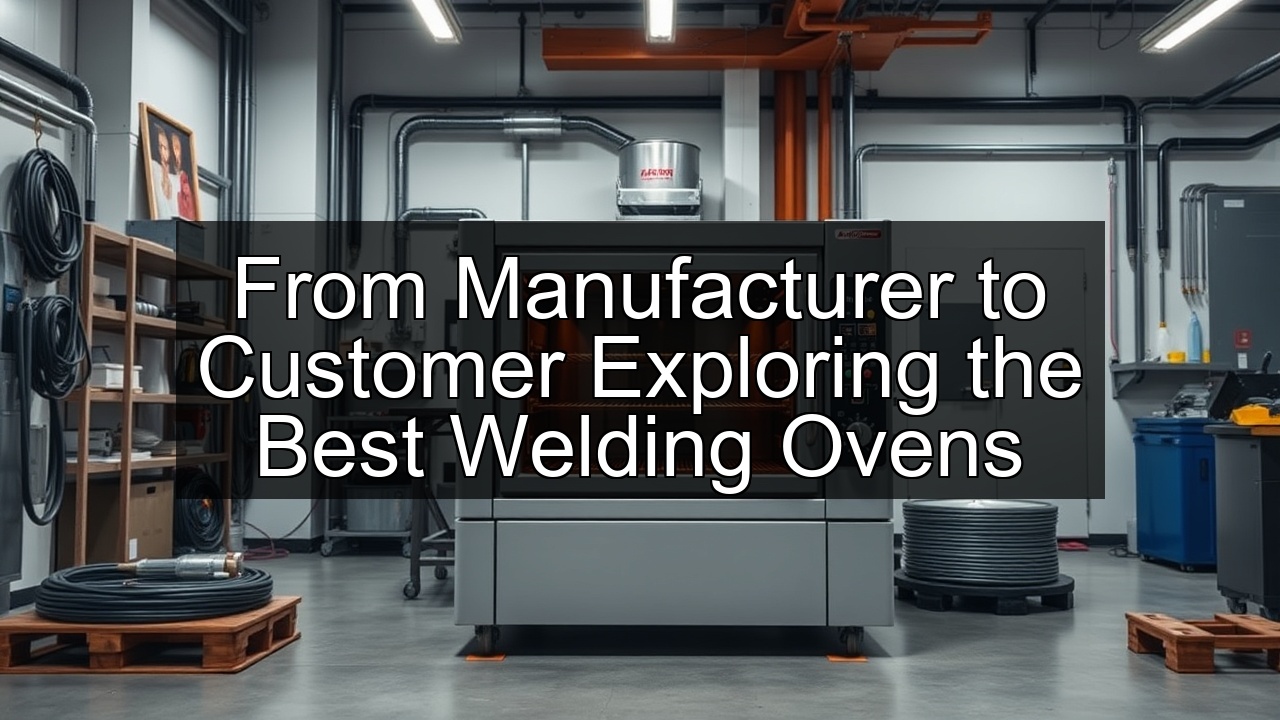
A welding electrode oven, commonly referred to as a welding oven, is an essential piece of equipment in the welding industry. Its primary function is to maintain a specific temperature for welding electrodes, ensuring they stay dry and effective. Moisture can severely compromise the quality of welds, leading to defects and inconsistent performance. By utilizing a welding electrode drying oven, manufacturers can store various types of electrodes, such as flux and TIG electrodes, under optimal conditions. These ovens typically feature adjustable temperature controls and humidity levels to cater to different welding requirements. Understanding this equipment is vital for welders aiming for quality and durability in their projects.
The Role of Electrode Ovens in Welding Quality
Welding quality hinges on many factors, and the condition of the welding electrodes plays a pivotal role. Moisture-laden electrodes can lead to issues like porosity and weak welds, which compromise the integrity of the final product. Welding electrode ovens serve as a safeguard against these problems by preventing the uptake of moisture. When electrodes are stored in a controlled environment, welders can achieve cleaner, stronger welds with fewer defects. Additionally, the temperature control features of these ovens allow for the optimal activation of flux, enhancing the overall welding process. Without proper storage, even the best electrodes can become ineffective, making electrode ovens indispensable for serious welders.
Types of Welding Ovens and Their Applications
Welding ovens come in various types, each designed for specific applications. The most common types include portable welding ovens, which are lightweight and designed for on-site use, and larger stationary models that cater to industrial needs. Portable ovens often accommodate smaller quantities, making them perfect for fieldwork, while industrial-grade ovens can hold up to 450 lbs of electrodes, providing ample storage for high-volume operations. Some models also feature advanced technology, such as digital controls and programmable settings, allowing for precise temperature management. Understanding the various types of welding electrode ovens helps customers select the right one based on their specific welding needs and operational scale.
Top Brands and Models of Welding Electrode Ovens
Lincoln Electric: A Leader in Welding Ovens
Lincoln Electric stands out as a leading manufacturer in the welding industry, known for producing high-quality welding electrode ovens. Their ovens are designed with a focus on durability and functionality, making them a favorite among professionals. Lincoln Electric's models often feature advanced heating systems that ensure consistent temperature distribution, critical for maintaining the integrity of welding electrodes. The brand’s commitment to quality extends to its range of welding accessories, offering a comprehensive solution for welding needs. Customers appreciate the reliability of Lincoln Electric ovens, which consistently deliver optimal performance in various settings, from workshops to large-scale industrial environments.
Comparative Analysis of Popular Brands
Several brands compete in the welding oven market, each bringing unique features and benefits. Alongside Lincoln Electric, brands like Miller Electric and ESAB also offer impressive models. Miller Electric's ovens are known for their user-friendly designs and efficient heating systems, while ESAB focuses on versatility and portability in their products. Conducting a comparative analysis of these brands reveals that factors such as size, digital controls, and heat retention capabilities can significantly affect user experience. Customers should consider their specific needs, such as frequency of use and electrode types, when comparing these reputable brands to find the best welding electrode oven for their applications.
Key Features to Look for in a Welding Oven
Choosing the right welding electrode oven requires attention to several key features. First, temperature control is paramount; look for ovens that offer precise settings to accommodate different electrode types. Additionally, consider the oven's capacity; larger models can store more electrodes, beneficial for industrial applications. Portability may also be a factor, especially for those who work in various locations. Durability is essential, as a well-constructed oven withstands the rigors of daily use. Other features such as digital displays, programmable timers, and safety shut-off mechanisms enhance usability, contributing to a more efficient welding process. Evaluating these features will guide customers toward the ideal welding oven for their needs.
Manufacturer Insights: How Welding Ovens Are Made
The Manufacturing Process of Welding Ovens
The manufacturing process of welding ovens combines advanced technology with skilled craftsmanship. Manufacturers start by designing the oven's structure, ensuring it can withstand high temperatures and heavy use. Once the design is finalized, the production process begins with the selection of high-quality materials, followed by cutting, shaping, and assembling the components. Welding ovens undergo rigorous testing to ensure they meet industry standards for safety and performance. Quality assurance checks throughout the manufacturing process help identify any defects before the ovens reach customers. This multi-step approach guarantees that each welding electrode oven delivers reliability and efficiency in demanding environments.
Materials Used in Welding Ovens
Manufacturers utilize various materials to construct welding ovens, each chosen for its durability and heat resistance. Common materials include heavy-gauge steel for the body and high-temperature insulation to prevent heat loss. Some models may incorporate stainless steel for its corrosion resistance, ensuring longevity even in challenging environments. Additionally, components such as heating elements and thermostats are made with materials specifically designed to withstand high temperatures. Understanding the materials used in welding ovens helps customers appreciate the importance of quality construction in achieving optimal performance and reliability.
Quality Control Measures in Welding Oven Production
Quality control measures are integral to the production of welding ovens. Manufacturers implement a series of inspections throughout the assembly process, checking for structural integrity and functional accuracy. Each oven undergoes testing to ensure it meets specified temperature ranges and safety standards. Manufacturers often employ automated systems to monitor production quality, ensuring consistency across batches. Feedback from welders and customers also plays a role, as it informs manufacturers about performance issues that may arise in real-world applications. These quality control measures guarantee that each welding electrode oven not only meets but exceeds customer expectations.
From Manufacturer to Customer: Selecting the Right Welding Oven
Factors to Consider When Choosing an Oven
Selecting the right welding electrode oven involves careful consideration of several factors. First, assess the type of welding projects you undertake; different electrodes require different storage conditions. Next, evaluate the capacity of the oven, especially if you frequently work on large projects that demand a high volume of electrodes. Consider the oven’s energy efficiency, as this can significantly impact operational costs over time. Additionally, think about the features that enhance usability, such as digital controls and portability. Each of these factors plays a crucial role in ensuring that the chosen oven meets your specific welding needs effectively.
The Importance of Proper Storage and Maintenance
Proper storage and maintenance of welding electrode ovens significantly affect their performance and longevity. Regularly checking temperature settings and ensuring the oven remains clean and free from contaminants helps maintain optimal conditions for electrodes. Users should also inspect the oven for any signs of wear and tear, addressing issues promptly to prevent operational problems. Following the manufacturer’s maintenance guidelines ensures that the oven continues to function efficiently, safeguarding the quality of the stored electrodes. This attention to detail not only extends the life of the oven but also enhances the quality of welds produced.
Customer Reviews and Feedback on Popular Models
Customer reviews and feedback provide invaluable insights into the performance of popular welding electrode ovens. Many users highlight the effectiveness of specific models in maintaining optimal storage conditions, noting improvements in weld quality after switching to high-quality ovens. Customers often emphasize the importance of features like temperature accuracy and ease of use as critical to their satisfaction. Reviews can also reveal potential issues, such as limitations in capacity or durability concerns. By considering these testimonials, potential buyers can make informed decisions, selecting models that have proven successful in real-world applications, thus ensuring they invest in a reliable welding electrode oven.
See Also
- Unlocking the Secrets of Welding Electrode Ovens for Perfect Welds
- Understanding the Role of Flux in Welding Electrode Ovens
- Maximize Your Welding Efficiency with a Quality Electrode Oven
- The Best Practices for Operating Your Welding Electrode Oven Safely
- The Ultimate Guide to Maintaining Your Welding Electrode Oven