From Prototyping to Production Exploring Wire Forming Capabilities
Understanding Wire Forming Techniques
Overview of Wire Forming Methods
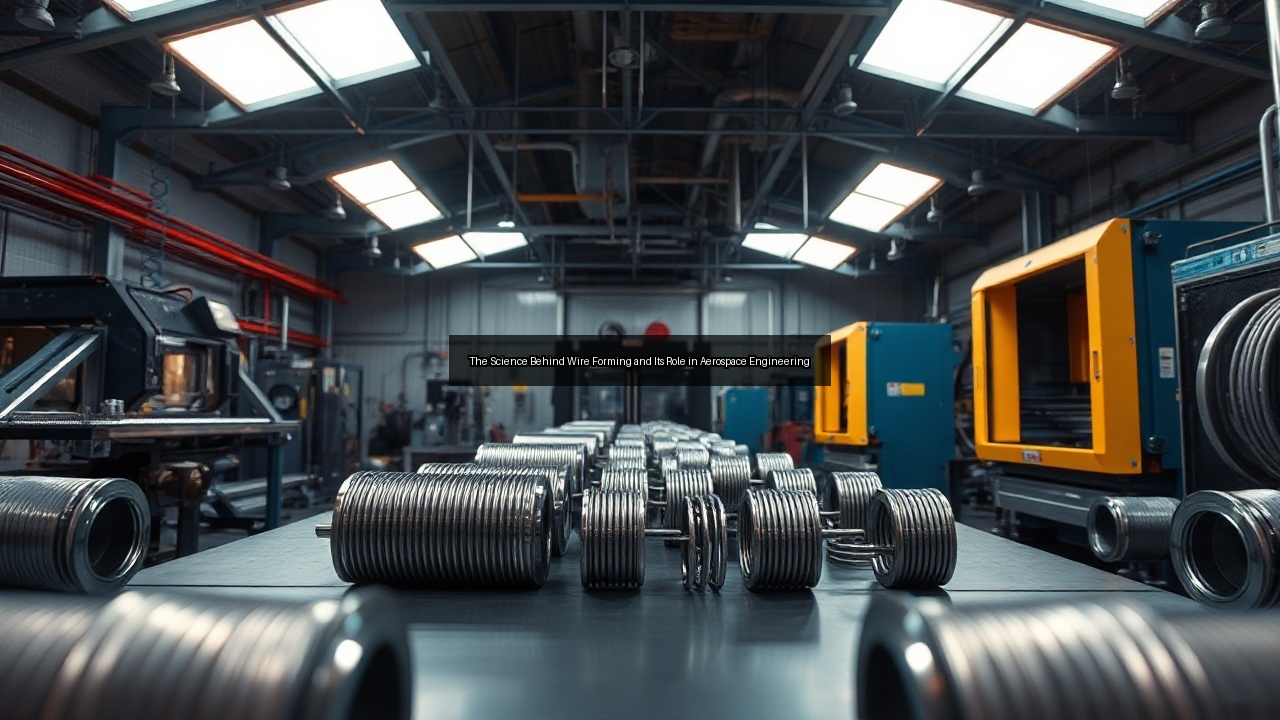
Wire forming delivers precise shapes through bending, coiling, and cutting operations that transform straight stock into functional components. Manufacturers apply the wire forming process to create everything from simple hooks to complex assemblies used across sectors. Formed wire parts meet exact specifications when operators control bend angles, radii, and lengths during production. The wire forming technique supports both low-volume runs and high-speed output, allowing engineers to match method selection to project needs. Wire forming capabilities expand when teams combine manual setups with automated systems that maintain consistency across batches. Many facilities rely on progressive tooling to handle multiple operations in one pass, reducing handling time and scrap rates. This approach produces reliable wire forms that fit directly into larger products without secondary adjustments.
Common Materials Used in Wire Forming
Stainless steel dominates wire forming projects because it resists corrosion and maintains strength under repeated stress. Engineers select steel grades based on required tensile properties and surface finish expectations. Carbon steel offers cost advantages for applications where coating protects against rust. Aluminum wire provides lightweight options for mobility equipment, while specialty alloys handle extreme temperatures in demanding environments. Material diameter directly influences spring rate and load capacity in coil springs. Suppliers deliver wire in coils or straight lengths that suit specific machine feeds. Proper material choice prevents distortion during forming and ensures parts meet performance targets from the first production run onward.
The Role of Computer Numerical Control (CNC) in Wire Forming
Computer numerical control systems guide wire forming machines through programmed sequences that achieve tight repeatability. Operators input parameters for bend locations, angles, and cut lengths, then the machine executes identical cycles without deviation. CNC wire forming reduces setup time between jobs and supports rapid iteration during prototyping. Advanced controllers monitor wire feed speed and tension to prevent defects such as kinks or uneven coils. Integration with CAD data allows direct transfer of drawing dimensions into production code. Facilities using CNC equipment handle complex wire shapes that manual methods cannot achieve consistently. This technology scales output while preserving the precision required for aerospace and medical components.
Prototyping: The First Step to Production
Importance of Prototyping in Wire Forming
Prototyping validates design intent before committing resources to full production. Teams create sample wire forms to test fit, function, and durability under real conditions. Early prototypes reveal issues with bend radii or material spring-back that drawings alone cannot predict. Successful prototyping shortens development cycles and prevents costly tooling changes later. Engineers document every iteration to refine tolerances and optimize the wire forming process. Physical samples also help marketing teams demonstrate concepts to stakeholders. Investing time in prototypes leads to smoother transitions when scaling to mass quantities of formed wire parts.
Creating Detailed Drawings for Prototyping
Accurate drawings communicate exact dimensions, tolerances, and material specifications to the wire forming team. Engineers include bend angles, leg lengths, and coil counts so fabricators can program machines correctly. Detailed drawings reduce misinterpretation and accelerate prototype approval. Modern software generates 3D models that convert directly into CNC instructions for wire forming equipment. Revision tracking ensures everyone works from the latest information. Clear drawings also capture surface finish requirements and end treatments such as threading. This documentation supports consistent results when the same part moves into production runs.
Utilizing Stainless Steel in Prototypes
Stainless steel serves as an ideal prototype material due to its availability and predictable forming behavior. Prototypes made from stainless wire closely mimic production parts in strength and corrosion resistance. Fabricators adjust machine settings to account for the alloy’s work-hardening characteristics during bending operations. Stainless steel prototypes withstand functional testing without deformation, providing reliable data for design validation. Teams often start with this material to evaluate coil springs or wire shapes before switching to alternative grades for cost optimization. Consistent prototype performance builds confidence for scaling the wire forming process to higher volumes.
From Prototypes to Production: Scaling Up
Transitioning from Prototyping to Full-Scale Production
Scaling requires verification that prototype results translate to high-volume output without quality loss. Production teams review prototype data to finalize tooling, material sourcing, and process parameters. Wire forming services adapt CNC programs for continuous operation and add automated inspection stations. Material lots receive incoming checks to maintain diameter consistency across large coils. Production runs incorporate statistical process control to monitor tolerances in real time. Successful transition depends on clear communication between design and manufacturing groups. Facilities that document every prototype change achieve faster ramp-up and fewer defects during initial production batches.
Key Tolerances in Wire Forming for Production
Production tolerances define acceptable variation in diameter, bend angle, and overall length of formed wire parts. Tight control over these dimensions ensures parts assemble correctly in final products. Wire forming machines maintain angular tolerances within fractions of a degree when properly calibrated. Coil diameter consistency affects spring performance and load characteristics. Manufacturers specify tolerances based on application requirements, balancing precision against cost. Regular gauge checks and machine calibration keep output within stated limits. Meeting these standards across thousands of parts distinguishes capable wire forming operations from less reliable suppliers.
Selecting the Right Machines for Mass Production
Mass production demands wire forming machines with high-speed capability and robust construction. Multi-axis CNC models handle complex shapes while running continuously with minimal supervision. Facilities evaluate feed systems, cutting mechanisms, and coiling attachments to match product mix. Machines equipped for threading and extrusion operations expand part possibilities without secondary processing. Selection criteria include changeover speed, energy consumption, and maintenance intervals. Investing in versatile equipment supports both standard wire forms and specialized coil springs. Proper machine choice maximizes throughput while preserving the quality established during prototyping.
Applications of Wire Forming Across Industries
Wire Forming in Aerospace Applications
Aerospace manufacturers depend on wire forming for brackets, clips, and structural reinforcements that withstand vibration and temperature extremes. Precision-formed wire parts secure wiring harnesses and fluid lines inside aircraft. Stainless steel and high-strength alloys meet strict material certification requirements common in this sector. Wire forming capabilities allow rapid production of custom shapes that fit tight installation spaces. Quality systems track every batch to ensure traceability demanded by aviation regulators. Reliable wire forms contribute to overall aircraft safety and weight reduction goals.
The Significance of Coil Springs in Engineering
Coil springs convert stored energy into mechanical motion across countless engineered products. Wire forming produces these springs with controlled pitch, diameter, and active coil count. Engineers calculate spring rate based on wire diameter and material properties to meet load and deflection targets. Automotive suspensions, industrial valves, and consumer appliances all rely on consistent coil performance. Wire forming processes create compression, extension, and torsion springs in high volumes. Proper heat treatment after forming enhances fatigue life and dimensional stability. Coil springs remain fundamental components that wire forming services deliver with high reliability.
Innovative Wire Shapes for Diverse Uses
Modern wire forming creates custom shapes that solve unique design challenges in consumer goods, medical devices, and construction equipment. Complex bends and multiple planes allow parts to perform multiple functions within one component. Wire shapes replace machined or stamped alternatives when weight or cost savings matter. Manufacturers combine wire forming with secondary operations such as welding or coating to produce complete assemblies. Innovative tooling enables rapid production of new geometries that previously required expensive casting. These capabilities expand design freedom while maintaining the strength inherent in drawn wire.
Choosing the Right Wire Forming Services
Evaluating Wire Forming Brands and Capabilities
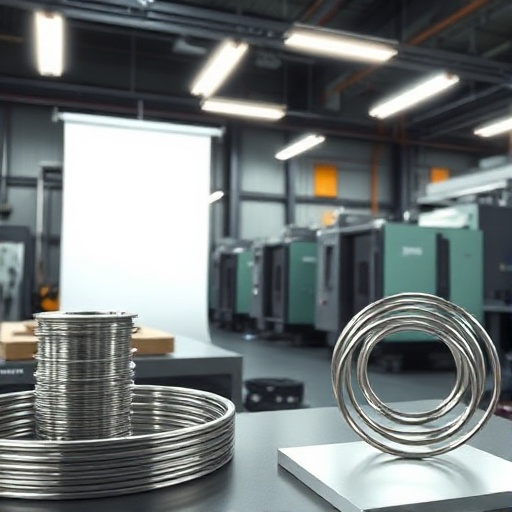
Brand reputation signals consistent quality and technical support in wire forming services. Prospective partners should demonstrate experience with specific materials, diameters, and production volumes. Facility tours reveal machine condition and process controls that affect output reliability. Review case studies showing successful transitions from prototype to production quantities. Certifications such as ISO or AS9100 provide objective evidence of quality systems. Strong brands maintain engineering teams that assist with design for manufacturability. Selecting a capable partner reduces risk and accelerates time to market for new wire formed products.
Factors to Consider When Selecting a Wire Forming Partner
Material expertise, machine capacity, and lead time performance rank high when choosing wire forming partners. Evaluate ability to handle both prototyping and ongoing production without quality drop-off. Geographic location affects shipping costs and communication speed for urgent changes. Review tolerance capabilities against your drawing requirements before committing. Financial stability ensures the supplier can support long-term programs. Clear quoting processes and responsive project management indicate professional operations. These factors combine to deliver reliable supply of precision wire forms and coil springs.
Understanding Wire Threading and Extrusion Processes
Wire threading adds functional features such as screw ends or attachment points directly during forming. Extrusion operations create consistent cross-sections or flared ends that improve part performance. Integrated threading and extrusion reduce the need for secondary machining and shorten overall cycle times. CNC wire forming machines equipped with these stations maintain alignment and repeatability across production runs. Engineers specify thread pitch and extrusion depth on drawings to guide setup. Proper process control prevents burrs and ensures threads engage correctly in final assemblies. These capabilities expand the range of complete parts available from a single wire forming supplier.
See Also
- The Evolution of Wire Forming in Aerospace Applications
- How Computer Numerical Control Revolutionizes Wire Forming Processes
- Creating Custom Coil Springs Through Expert Wire Forming Methods
- Mastering Wire Forming Techniques for Precision Engineering Projects
- The Role of Stainless Steel in Advanced Wire Forming Solutions