The Importance of Transmitters in Flexible RTD Systems
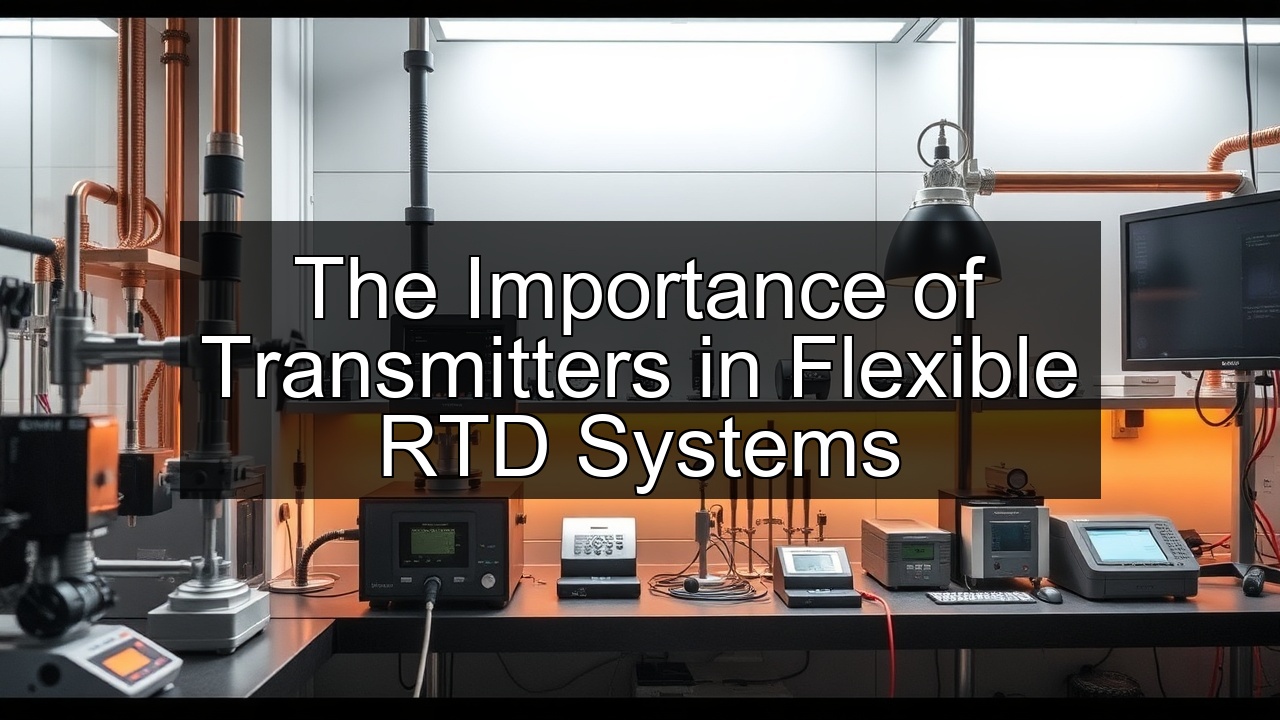
Understanding Flexible RTD Systems
What are Flexible RTDs?
Flexible Resistance Temperature Detectors (RTDs) represent a significant advancement in temperature measurement technology. Unlike traditional rigid sensors, flexible RTDs utilize materials that enable bending and conforming to various surfaces, making them ideal for applications requiring versatility. These sensors operate on the principle that the resistance of metals changes with temperature. Common materials used for the sensing element include platinum, nickel, and copper, with platinum being the most prevalent due to its stability and accuracy. Flexible RTDs can be designed in various configurations, such as ribbon or wire cable forms, enhancing their adaptability for different engineering scenarios.
Key Components of Flexible RTD Systems
Flexible RTD systems consist of several critical components that work together to ensure precise temperature measurement. At the core, the RTD element itself measures temperature based on resistance changes. This element connects to leads that transmit the resistance signal to a transmitter. The transmitter converts this resistance into flexible rtd variations a standardized temperature reading, which can be easily interpreted by control systems. In addition to the sensor and transmitter, proper insulation materials, such as polyimide or polyamide, play a vital role in protecting the RTD from environmental factors while maintaining flexibility. These components work in harmony to deliver reliable data for various applications.
Common Applications in Engineering
Flexible RTDs find applications across numerous engineering fields, particularly in environments where rigid sensors cannot perform effectively. In the HVAC industry, for instance, they monitor and control temperatures in heating and cooling systems, ensuring optimal performance of electric heaters and other equipment. In the automotive sector, flexible RTDs measure exhaust temperatures, contributing to engine efficiency and emissions control. Additionally, industries such as aerospace and pharmaceuticals utilize these sensors for critical temperature monitoring in production processes. The ability to conform to various surfaces and withstand harsh conditions makes flexible RTDs indispensable in modern engineering applications.
The Role of Transmitters in Flexible RTD Systems
How Transmitters Enhance Measurement Accuracy
Transmitters play a crucial role in flexible RTD systems by enhancing measurement accuracy and reliability. These devices convert the resistance changes detected by the RTD into meaningful temperature readings. By employing advanced algorithms and calibration techniques, transmitters minimize errors that can arise from environmental variations or sensor drift. Modern transmitters often feature digital outputs, allowing for more precise data transmission to control systems. This accuracy is vital in applications where even slight temperature fluctuations can lead to significant operational issues. Engineers rely on high-quality transmitters to ensure that the data collected from flexible RTDs is both accurate and actionable.
Types of Transmitters Used with RTDs
Several types of transmitters are compatible with flexible RTDs, each offering distinct advantages. One common type is the 4-20 mA transmitter, which provides a standardized output that can be easily integrated into various control systems. This analog signal represents temperature readings while allowing for long-distance wiring without signal degradation. Another option is the digital transmitter, which uses protocols such as HART or Modbus for communication, offering enhanced data management capabilities. Engineers must carefully select the appropriate transmitter based on the specific application requirements, including operating temperature ranges, accuracy demands, and data transmission needs.
Integrating Transmitters with Temperature Sensors
Effective integration of transmitters with flexible RTDs is flexible rtd sensor essential for accurate temperature measurement. Proper lead design and connector types can significantly impact the performance of the entire system. Engineers often choose hermetic sealed connectors to protect against moisture and contaminants, ensuring longevity in challenging environments. Additionally, considering the calibration of the transmitter and sensor combination is crucial. Regular calibration helps maintain measurement accuracy over time, especially in applications with high precision requirements. By integrating reliable transmitters with flexible RTDs, engineers can achieve a robust temperature measurement solution suitable for various industries.
Materials and Design Considerations for Flexible RTDs
Choosing the Right Materials: Polyamide vs. Polyimide
The choice of materials significantly impacts the performance and durability of flexible RTDs. Polyamide and polyimide are two popular options, each offering unique benefits. Polyamide, known for its excellent flexibility and resistance to wear, is often used in applications where bending is frequent. However, it may not withstand extreme temperatures as well as polyimide. On the other hand, polyimide is highly resistant to high temperatures and harsh chemicals, making it suitable for demanding environments. Engineers must assess the specific requirements of their application, including temperature ranges and environmental conditions, to select the optimal material for their flexible RTD designs.
The Importance of Lead Design and Connector Types
Lead design and connector types play a pivotal role in the overall effectiveness of flexible RTD systems. The leads must be capable of transmitting the resistance signal without introducing additional noise or resistance. Engineers often opt for copper leads due to their excellent conductivity, although other materials may be used depending on the application. The choice of connectors also affects performance; hermetic sealed connectors provide protection against moisture and contaminants, ensuring accurate readings in harsh conditions. Proper lead and connector design minimizes signal loss and enhances the overall reliability of temperature measurements in various engineering applications.
Evaluating Operating Temperature and Calibration Needs
Understanding the operating temperature range and calibration needs is vital for successful flexible RTD implementation. Different applications may require specific temperature tolerances, which can influence the choice of RTD materials and transmitters. Regular calibration ensures that temperature measurements remain accurate over time, especially in environments where temperature fluctuations are common. Engineers should establish a calibration routine based on manufacturer recommendations and the specific operational context. By thoroughly evaluating these factors, engineers can ensure that their flexible RTD systems deliver consistent and reliable performance.
Future Trends and Innovations in Temperature Measurement
Advancements in Flexible RTD Technology
Recent advancements in flexible RTD technology have broadened their applications and improved performance. Innovations in materials science have led to the development of more durable and temperature-resistant materials, enhancing the reliability of flexible RTDs in extreme conditions. Additionally, advancements in microprocessor technology have enabled more sophisticated data processing capabilities in transmitters, allowing for real-time monitoring and analysis. Enhanced data accuracy and faster response times contribute to the growing adoption of flexible RTDs in industries such as aerospace and renewable energy, where precision temperature measurement is critical.
Comparing Flexible RTDs to Thermocouples and Thermistors
Flexible RTDs, thermocouples, and thermistors each have unique characteristics that make them suitable for different applications. Flexible RTDs offer high accuracy and stability, particularly in environments requiring precise temperature control. Thermocouples, while less accurate, excel in extreme temperature applications and are often more cost-effective. Thermistors provide excellent sensitivity and faster response times but may have a limited temperature range compared to RTDs. Engineers must consider these factors when selecting the appropriate temperature sensor for their specific application, balancing cost, accuracy, and operating conditions.
The Role of Data Management in Modern HVAC Systems
Data management has become increasingly important in modern HVAC systems, where flexible RTDs play a critical role. With the rise of smart building technologies, the integration of temperature sensors and transmitters into centralized control systems allows for better energy efficiency and performance optimization. Data collected from flexible RTDs can inform predictive maintenance schedules and operational adjustments, leading to reduced energy consumption and improved occupant comfort. Engineers must focus on implementing robust data management solutions that leverage the capabilities of flexible RTDs to enhance overall HVAC system performance.