The Science Behind Wire Forming and Its Role in Aerospace Engineering
Understanding Wire Forming in Aerospace Engineering
The Basics of Wire Forming
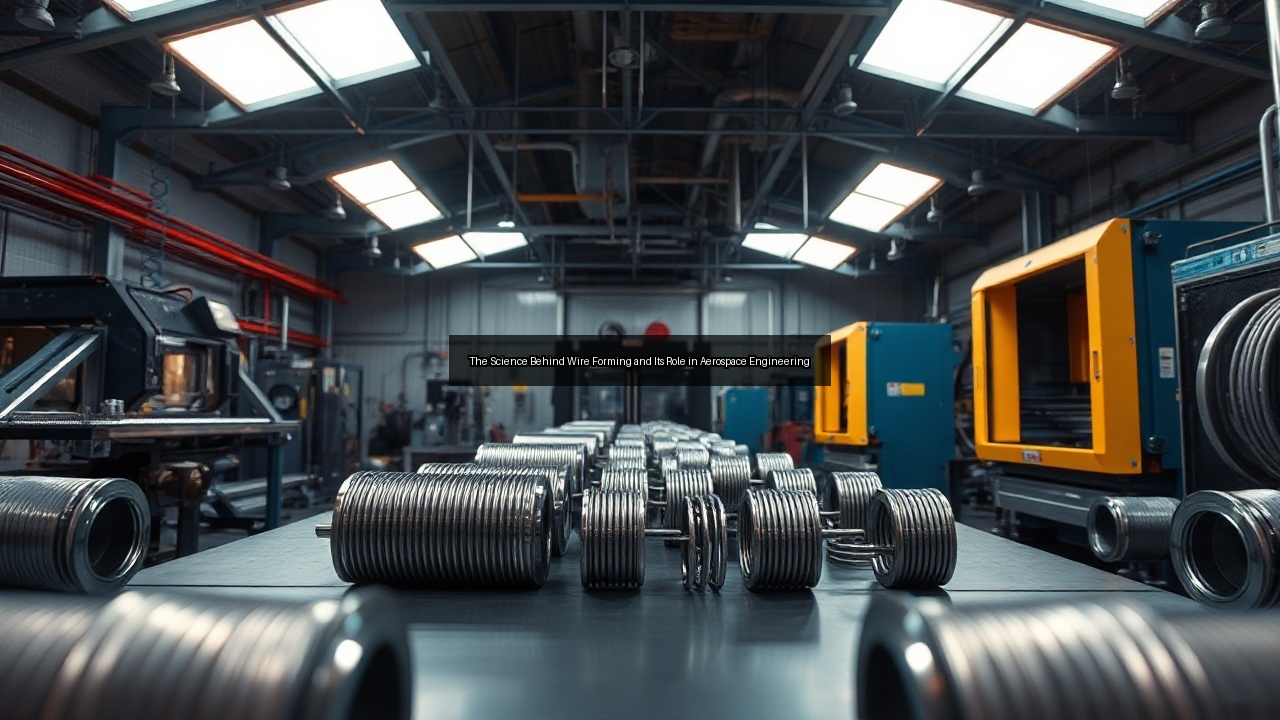
Wire forming encompasses various processes that shape wires into specific configurations for use in numerous applications, particularly in the aerospace sector. The process begins with raw wire, typically made from materials such as stainless steel or other alloys, which undergoes shaping, bending, and manipulation to create intricate forms. Wire forming employs several techniques, including bending, coiling, and threading, allowing engineers to produce complex geometries essential for aircraft and spacecraft components. Wire forms must adhere to stringent engineering tolerances, ensuring reliability and safety in demanding aerospace environments. This level of precision is vital, as even minor deviations can lead to significant performance issues in flight.
Importance of Wire Forming in Aerospace Applications
Wire forming holds immense significance in aerospace applications due to its ability to produce customized components that meet specific functional requirements. Aircraft and spacecraft rely on various wire forms for structural support, electrical connections, and mechanical functions. Components such as coil springs, brackets, and connectors all derive from wire forming techniques, making this process integral to aerospace engineering. The lightweight and high-strength characteristics of wire forms contribute to overall aircraft efficiency, reducing fuel consumption and enhancing performance. As aerospace technology continues to advance, the demand for innovative wire forming solutions increases, prompting ongoing research and development in this field.
Common Materials Used in Wire Forming
A range of materials is utilized in wire forming, each selected based on its properties and suitability for specific applications. Stainless steel remains a popular choice due to its corrosion resistance, strength, and durability, making it ideal for aerospace components exposed to harsh environments. Other materials, such as titanium and aluminum alloys, also play significant roles, especially when weight reduction is critical. Engineers must consider factors like diameter, tensile strength, and fatigue resistance when selecting materials for wire forming projects. The choice of material directly impacts the performance and longevity of the wire-formed parts, underscoring the importance of informed decision-making in the design and manufacturing processes.
Wire Forming Processes and Techniques
Overview of Wire Forming Methods
Wire forming encompasses several methods that enable manufacturers to create a variety of shapes and configurations. Common methods include CNC (Computer Numerical Control) machining, bending, coiling, and extrusion. Each technique serves specific purposes and allows for different levels of precision and complexity. For instance, CNC wire forming utilizes computer-controlled machines to achieve high accuracy and repeatability in wire shapes, making it an ideal choice for complex geometries. Bending techniques, on the other hand, focus on creating angular shapes, while coiling is often used to produce coil springs that provide mechanical tension. Understanding these methods helps engineers select the most efficient and effective approach for their wire forming projects.
Computer Numerical Control (CNC) in Wire Forming
CNC technology revolutionizes wire forming by enhancing precision and efficiency in the manufacturing process. CNC machines utilize pre-programmed software to control the movement of tools, allowing for intricate wire shapes and designs that would be challenging to achieve manually. This technology minimizes human error and increases production speed, making it an invaluable asset in aerospace engineering. CNC wire forming can produce complex parts with tight tolerances, essential for ensuring the reliability and safety of aerospace components. The ability to easily modify designs through software also facilitates rapid prototyping, enabling engineers to test and refine their wire forms before full-scale production.
Extrusion and Its Role in Wire Shaping
Extrusion plays a crucial role in wire shaping, particularly in producing long lengths of wire with consistent cross-sectional profiles. During the extrusion process, raw material is heated and forced through a die, creating a continuous wire shape. This technique allows for the efficient production of wire with specific diameters and profiles tailored to various aerospace applications. Extruded wires are often used as the basis for further wire forming processes, such as bending and coiling. The extrusion method also ensures uniformity in material properties, which is essential for maintaining performance standards in aerospace components. Understanding extrusion's capabilities aids engineers in optimizing their designs and manufacturing processes.
Design Considerations for Wire Forming Projects
Engineering Tolerances for Aerospace Parts
Engineering tolerances are critical in wire forming projects, particularly in the aerospace industry, where precision is paramount. Tolerances define the permissible limits of variation in dimensions, ensuring that wire-formed parts fit together correctly and function as intended. Aerospace applications often require tighter tolerances due to the high-stakes environment in which these components operate. Engineers must thoroughly understand the required tolerances for each part, as deviations can lead to performance issues or even catastrophic failures. By adhering to strict tolerances, manufacturers can ensure that wire formed wire forms meet rigorous safety and reliability standards, which is crucial in aerospace engineering.
Prototyping Wire Forms: Best Practices
Prototyping wire forms involves creating initial versions of designed parts to test their functionality and performance before full-scale production. Best practices in prototyping include using rapid prototyping techniques like 3D printing or CNC machining to create accurate models. These prototypes help identify potential design flaws and allow engineers to make necessary adjustments early in the process. Additionally, engineers should consider the materials and manufacturing processes used in prototyping, as these factors can influence the prototype's behavior in real-world applications. Effective prototyping ultimately reduces costs, shortens development time, and enhances the overall quality of wire-formed parts.
Selecting the Right Diameter and Material
Choosing the right diameter and material for wire forming projects significantly impacts the performance and durability of aerospace components. Engineers must evaluate the specific requirements of each application, considering factors such as load-bearing capacity, environmental exposure, and mechanical properties. The diameter of the wire affects its strength, flexibility, and weight, making it a crucial design parameter. Material selection also plays a vital role; for instance, stainless steel offers excellent corrosion resistance, while titanium provides high strength-to-weight ratios. By carefully analyzing these factors, engineers can optimize their wire forming designs to ensure safety, reliability, and efficiency in aerospace applications.
Applications of Wire Forming in Aerospace
Wire Forms in Aircraft Components
Wire forms play an essential role in various aircraft components, contributing to the structural integrity and functionality of modern aircraft. Components such as brackets, clips, and fasteners often rely on precisely formed wires to provide necessary support and connections. Additionally, wire forms are used in control systems and landing gear, where reliability is critical. The ability to customize wire shapes enables manufacturers to meet specific design requirements while maintaining lightweight properties, enhancing overall aircraft performance. As aerospace technology evolves, the demand for innovative wire forms continues to grow, driving advancements in wire forming techniques and materials.
The Role of Coil Springs in Aerospace Engineering
Coil springs serve a vital function in aerospace engineering, providing mechanical resilience and supporting various systems within aircraft. These springs are often made from wire forms, allowing engineers to customize their dimensions and properties to meet specific application requirements. Coil springs absorb shocks, maintain tension, and contribute to the overall stability of aircraft systems. The design and manufacturing of coil springs require precise engineering and attention to tolerances, as their performance directly impacts safety and efficiency. Innovations in wire forming processes enable the creation of advanced coil spring designs that enhance the functionality and reliability of aerospace components.
Innovations in Wire Forming Services for Aerospace Needs
Innovation in wire forming services is crucial to meet the ever-evolving demands of the aerospace industry. Manufacturers are continuously exploring new materials, techniques, and technologies to enhance wire forming capabilities. Advanced CNC machines and automation improve production efficiency and accuracy, while new materials offer improved performance characteristics. Furthermore, the integration of digital tools and simulation software allows engineers to optimize designs before production, reducing waste and increasing speed. As the aerospace sector pushes the boundaries of technology, innovative wire forming services will play a pivotal role in shaping the future of flight.